
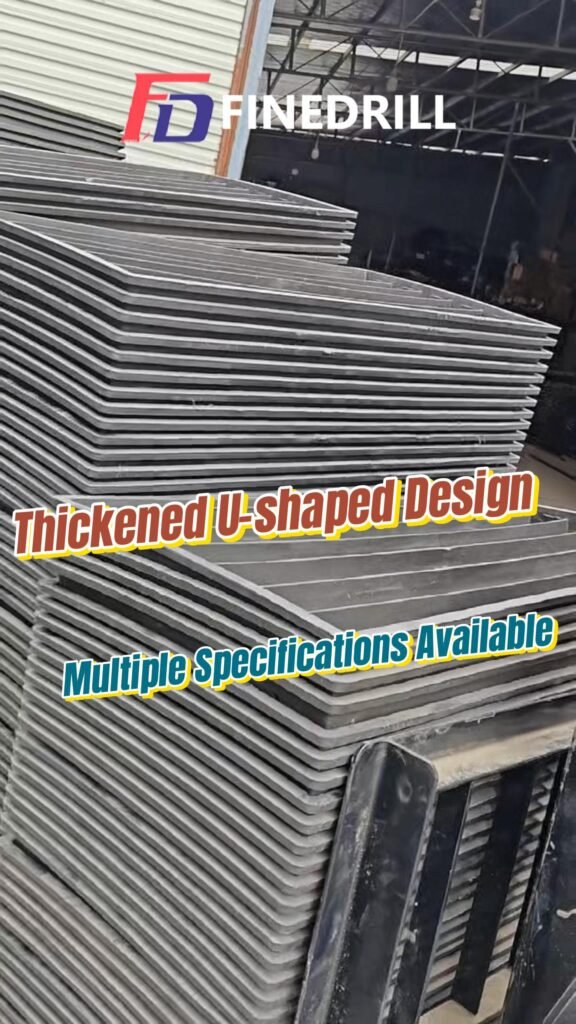
Global Drilling Industry Supply Chain Dynamics Shift as Changsha Manufacturers Enter High-End Market with Innovative Material Solutions
Dateline: Changsha, China
Editor: Sicher
Date: December 16, 2025
[Changsha] Against the backdrop of intensifying global mineral resource exploration, a fundamental yet critical equipment choice is sparking widespread discussion among drilling project managers from Australia’s Pilbara to Canada’s Yukon: should the precious geological samples be stored and transported in traditional metal core boxes or modern high-performance plastic ones? This debate surrounding durability, total cost of ownership, and operational efficiency is quietly reshaping the industry’s supply chain landscape. Technology-driven enterprises based in Changsha—a hub of Chinese manufacturing—have emerged as key forces propelling this transformation.
I. Defining the Battlefield: What Constitutes True “Durability”?
In the harsh conditions of exploration sites, “durability” is a multidimensional concept.
- Physical Strength and Impact Resistance: Metal boxes (typically made of galvanized steel or aluminum alloy) excel in compressive strength and direct impact resistance. However, modern engineering plastics (such as high-density polyethylene, HDPE) have achieved multi-ton stacking load capacity through structural innovation. Their flexibility effectively absorbs shocks and vibrations during off-road transport, preventing jamming due to denting.
- Resistance to Environmental Corrosion: This is where plastic solutions demonstrate a decisive advantage. Metal boxes constantly face the threat of rust, particularly in offshore operations, high-humidity mining areas, or when chemical drilling mud is used. Corrosion can not only damage the boxes but also contaminate precious core samples. High-quality plastic boxes are inherently corrosion-resistant, impervious to acids, alkalis, and salts, and require no anti-corrosion maintenance.
- Climate Adaptability: From polar cold to equatorial exposure, temperature extremes test material stability. Specially formulated plastics ensure the boxes remain crack-free in extreme low temperatures and are treated with UV inhibitors to prevent degradation. While metal boxes maintain structural stability across temperature ranges, their poor insulation may pose potential risks to certain sensitive samples.
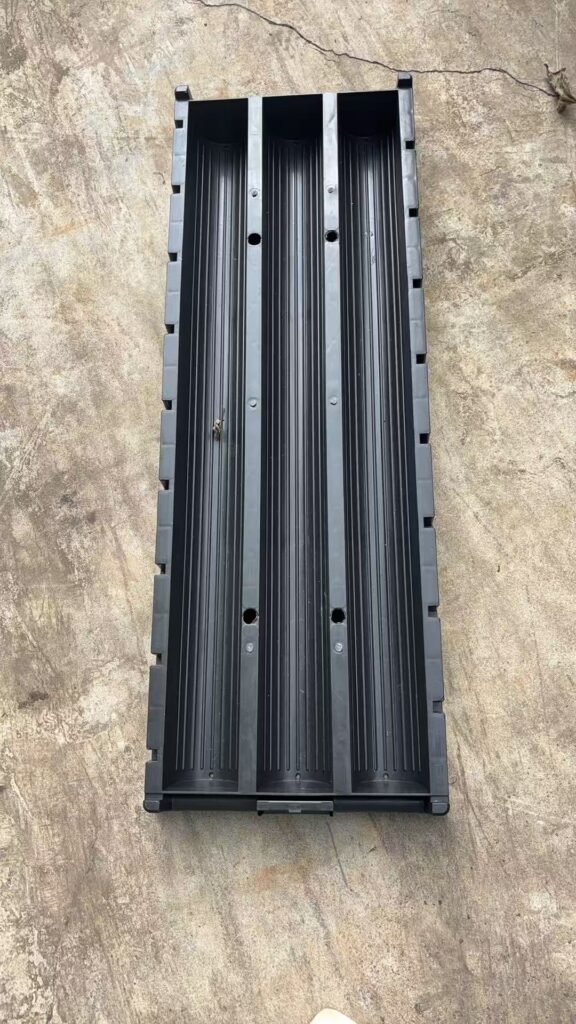
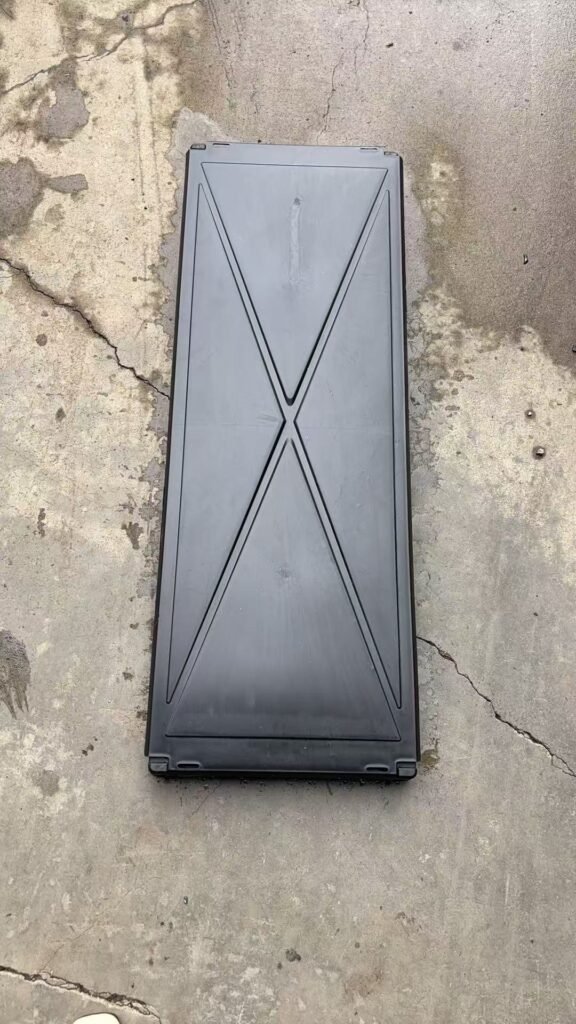
Dr. Li Ming, R&D Director at Changsha Henggong New Material Technology, stated, “Contemporary high-performance plastics have moved beyond being mere ‘cheap alternatives.’ Our custom HDPE boxes for polar projects have passed environmental stress crack resistance tests exceeding 25 years, which is redefining the industry’s standard for ‘durability.'”
II. The Deeper Calculation of Cost-Effectiveness: Looking Beyond Purchase Price
True cost-effectiveness lies in the “total cost of ownership.”
- Initial and Logistics Costs: Plastic boxes typically offer significant advantages in both purchase price and weight. Being 40%-50% lighter than metal boxes substantially reduces air and sea freight costs. Their nestable design saves over 75% of return logistics space. An Australian contractor operating in Africa confirmed, “Switching to nestable plastic boxes reduced our sample return logistics costs by approximately 30%.”
- Lifecycle and Maintenance Costs: Metal boxes can last for years if properly maintained, but upkeep involves processes like rust removal and repainting, consuming labor and potentially causing operational downtime. The ‘maintenance-free’ nature of plastic boxes is a key advantage—they are corrosion-resistant and easy to clean. In markets with high labor costs like Europe, North America, and Australia, this translates to significant hidden cost savings.
- End-of-Life Processing and Sustainability: With increasingly stringent ESG (Environmental, Social, and Governance) requirements, the sustainability advantage of plastic boxes becomes prominent. Made from 100% recyclable mono-materials, they can be recycled after disposal. In contrast, disposing of coated or plated metal boxes often incurs higher costs and poses greater environmental challenges.
III. Industry Trends and Opportunities for Changsha Manufacturing
Market data indicates that the global market share of plastic core boxes is steadily growing, especially in regions with strict environmental regulations and high labor costs. They are becoming the preferred choice for standardized operations, while metal boxes are increasingly reserved for specific ultra-deep hole drilling projects with exceptional pressure-bearing requirements.
Changsha Fast Drill Engineering Machinery Co., Ltd. is actively capitalizing on this trend. The company’s International Sales Manager, Sicher, stated, “We are not just equipment manufacturers; we are providers of material solutions. By conducting in-depth analyses of our clients’ specific operating environments—including humidity, chemical exposure, temperature ranges, logistics chains, and ESG reporting requirements—we provide total lifecycle cost analysis models. The evidence shows that our plastic solutions offer superior overall economics in the vast majority of application scenarios. Currently, our client network spans key resource regions including Chile, Kazakhstan, and Greenland.”
Conclusion
This contest has no absolute winner, but the trend is clear. For the majority of exploration scenarios—particularly multinational operations, projects in diverse climates, and those prioritizing logistics efficiency and ESG performance—modern high-performance plastic core boxes deliver superior long-term durability and comprehensive cost-effectiveness.
Metal boxes remain essential for specific ultra-heavy-duty, high-load applications, but their traditional domain is being challenged. The ultimate choice depends on a deep understanding of “cost”: is it merely the number on the purchase order, or is it a precise accounting of every potential expense over the next five to ten years—in logistics, maintenance, operational downtime risks, and environmental compliance?
Industrial practices from Changsha demonstrate that through technological innovation and full-cycle services, Chinese manufacturing is empowering the global exploration industry to unearth hidden “veins of cost efficiency” within operational details while ensuring the integrity of data assets.