
Date: December 25, 2025
Location: Changsha, China
Written by: Sicher
Changsha, December 25, 2025 — In the grand narrative of the global energy transition, a traditionally high-energy-consumption and high-emission sector—the drilling industry—is undergoing a silent yet profound technological transformation. Low-carbon drilling technologies, represented by electric and hydrogen-powered rigs, are moving from testing grounds to oil fields, mines, and geothermal project sites worldwide, probing deeper into the Earth’s layers while striving to reduce their environmental impact.
The Practical Advantages of Electrification: Benefits Beyond Environmental Protection
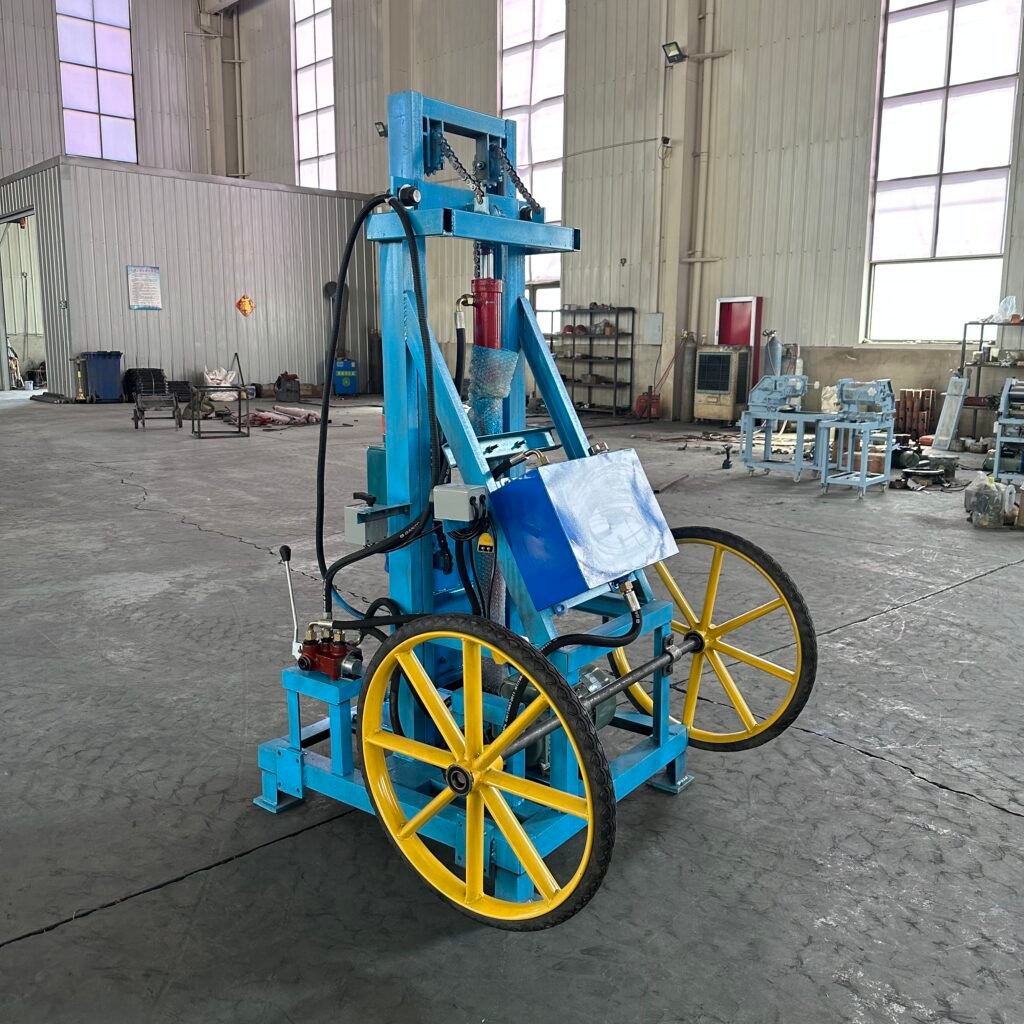
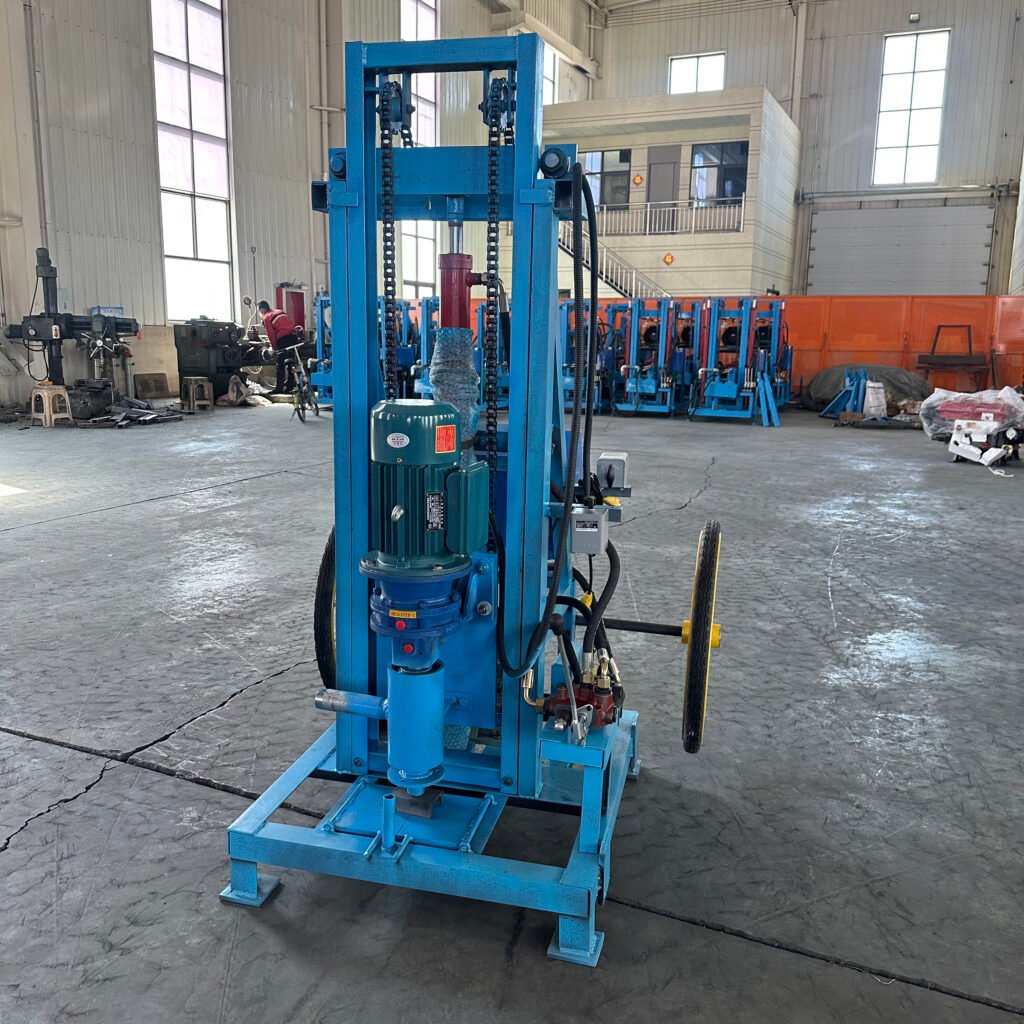
In the shale fields of Texas, on oil and gas platforms in the North Sea, and at geothermal sites in Iceland, electric drilling rigs are becoming an increasingly common sight. By directly connecting to the power grid or using large battery packs, these devices eliminate the heavy reliance on on-site diesel power generation, achieving zero direct emissions during operations. Beyond the obvious carbon reduction, operators place greater emphasis on the operational advantages they bring: significantly lower fuel costs, reduced equipment noise (crucial for projects near communities), lower maintenance requirements, and more precise digital control capabilities.
“What drives this transformation is not only environmental responsibility but also solid economic logic,” noted the Technical Vice President of a leading global oilfield services provider. “In many scenarios, the total lifecycle operating costs of electrified equipment have already demonstrated strong competitiveness, and their integration with automation and digital technologies is more natural.”
Hydrogen: The Ultimate Exploration Toward Zero Emissions
For remote mining areas or offshore platforms beyond the reach of the power grid, hydrogen-powered drilling rigs offer another ultimate solution. Powered by fuel cells or modified hydrogen internal combustion engines, their only emission is water vapor. This technology is currently in the pilot and demonstration phase. For example, hybrid hydrogen power systems are being tested at certain offshore facilities in Norway, aiming to provide clean energy for all equipment on the platform.
“The challenge for hydrogen-powered drilling rigs lies in the economics and safety of the entire green hydrogen value chain, particularly in storage and transportation,” commented an analyst from an international energy consulting agency. “However, as renewable energy costs decline and hydrogen infrastructure expands, it will be crucial for future zero-carbon drilling.”
The Rise of Eastern Innovative Forces
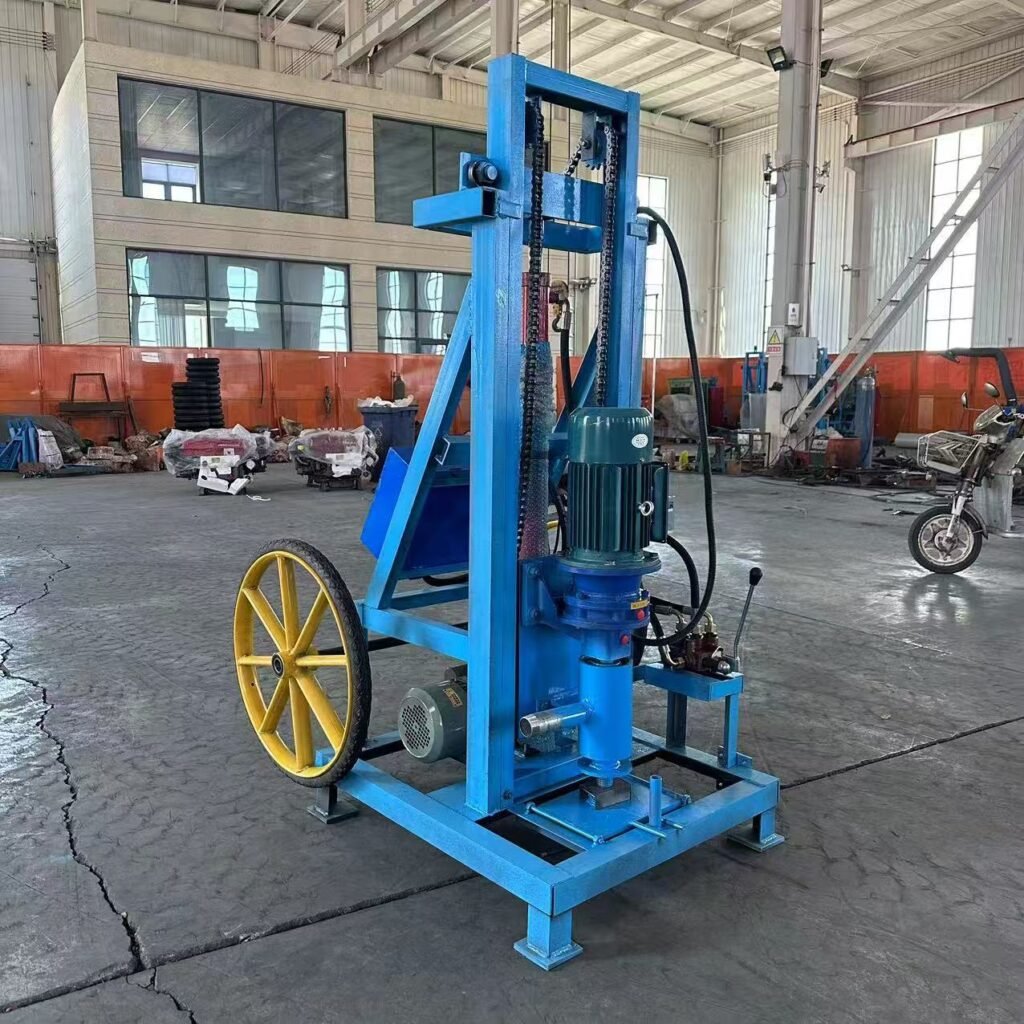
In this global technological race, China’s engineering machinery manufacturing hubs are demonstrating active research and development momentum. In a city in central China renowned for its engineering machinery, several heavy equipment manufacturers have included electric drilling equipment in their core product lines. Some prototypes have already undergone field testing in the harsh environments of western China. Local industrial policies also explicitly prioritize low-carbon construction technologies and equipment, encouraging collaboration between industry, academia, and research institutions to tackle key technological challenges.
“What we are witnessing is not merely catching up with foreign technologies but also integrated innovation tailored to local application scenarios,” said a professor of mechanical engineering at a local polytechnic university. “For example, integrating rapid charging solutions, distributed renewable energy, and drilling operation cycles is forming a unique research and development pathway.”
Challenges Ahead and a Certain Future
Despite the clear trends, the path to transformation is not without obstacles. Grid coverage and capacity, initial investment costs, the absence of technical standards, and reliability verification under extreme working conditions remain hurdles to large-scale adoption. Additionally, fluctuations in the global energy market may affect companies’ determination to invest in capital upgrades.
However, dual pressures from policies and the market are shaping a certain future. Increasingly stringent regional carbon emission regulations and downstream energy companies’ own net-zero commitments are translating into hard requirements for low-carbon supply chains. Multiple industry forecast reports indicate that over the next decade, the market share of drilling equipment powered by alternative energy sources will experience explosive growth.
Conclusion
From relying on fossil fuels to embracing electricity and hydrogen, the power revolution in the drilling industry is, in essence, a challenging journey to infuse traditional industrial practices with the ethos of sustainable development. Electric and hydrogen-powered drilling rigs—the “heart transplants” of these steel giants—symbolize how this ancient industry is actively integrating into a future of global carbon neutrality. It proves that even the most foundational and heavy-duty industrial activities must find new ways to advance along a green trajectory.