
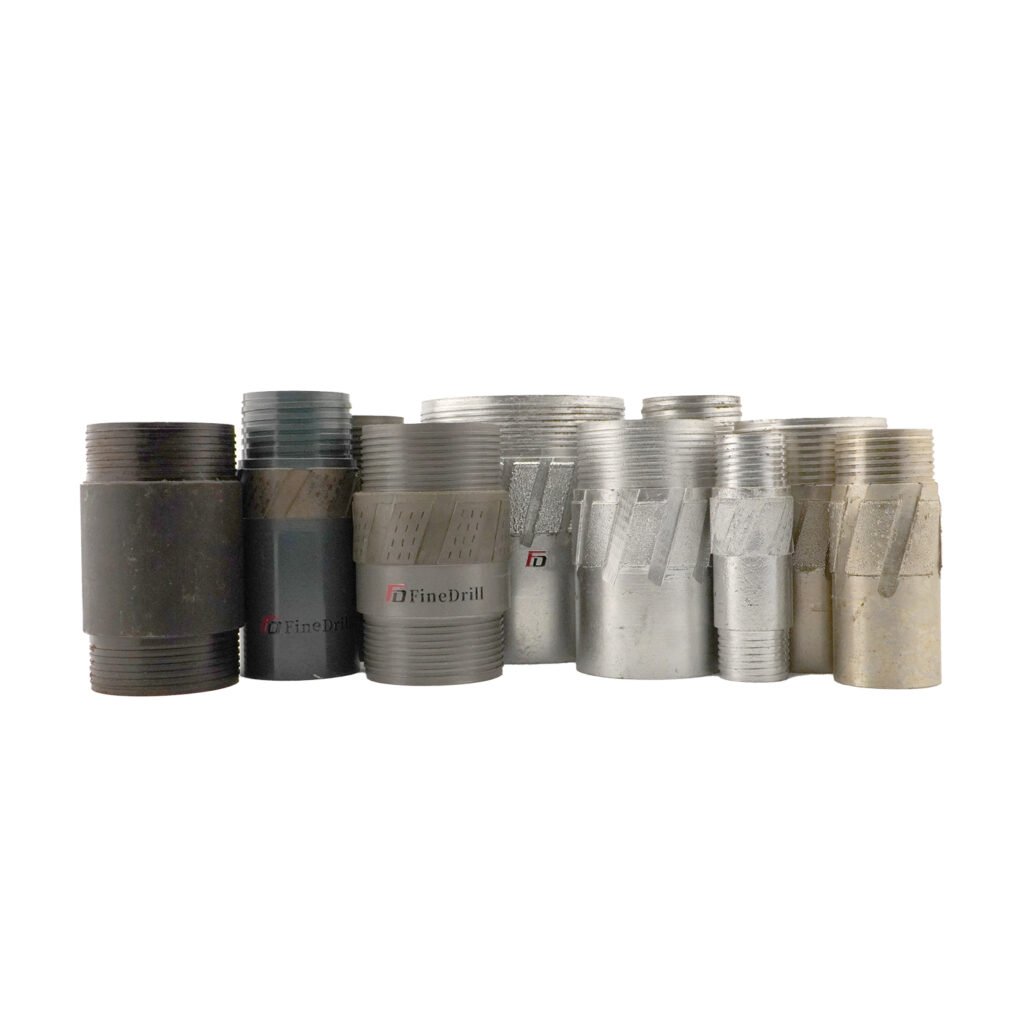
CHANGSHA, CHINA • OCTOBER 28, 2025 – In the complex symphony of drilling a well, from probing for geothermal energy to unlocking mineral riches, most acclaim goes to the drill bit—the sharp tip that first bites into the earth. But ask any seasoned drilling engineer, and they’ll tell you the true artist, the unsung hero that ensures the entire operation’s success, is often the reamer.
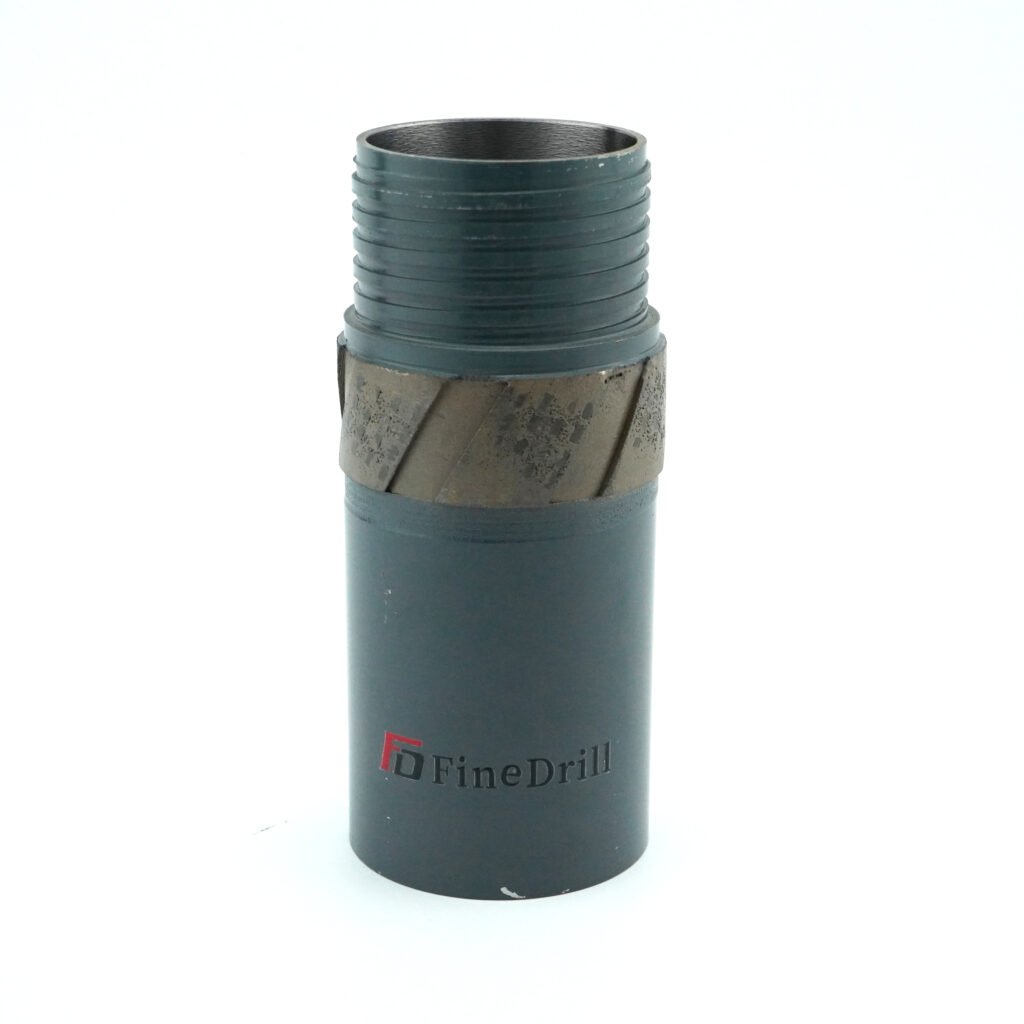
While the drill bit makes the initial hole, it is the reamer, a sophisticated downhole tool deployed further up the drill string, that performs the critical finishing work. Its mission is simple in concept yet vital in execution: to precisely enlarge and smooth the wellbore to a specific diameter.
“So, how does this tool, working in the dark, miles underground, actually do its job?” asks Sicher, a drilling tools analyst based in Changsha. “Think of it as a subsurface precision sculptor.”
The Principle: From Pilot Hole to Perfect Bore
The most common application is a technique known as “underreaming.” Here, the process begins by drilling a initial, narrower “pilot hole.” Once the target depth is reached, the reamer is sent downhole, its cutting arms initially retracted.
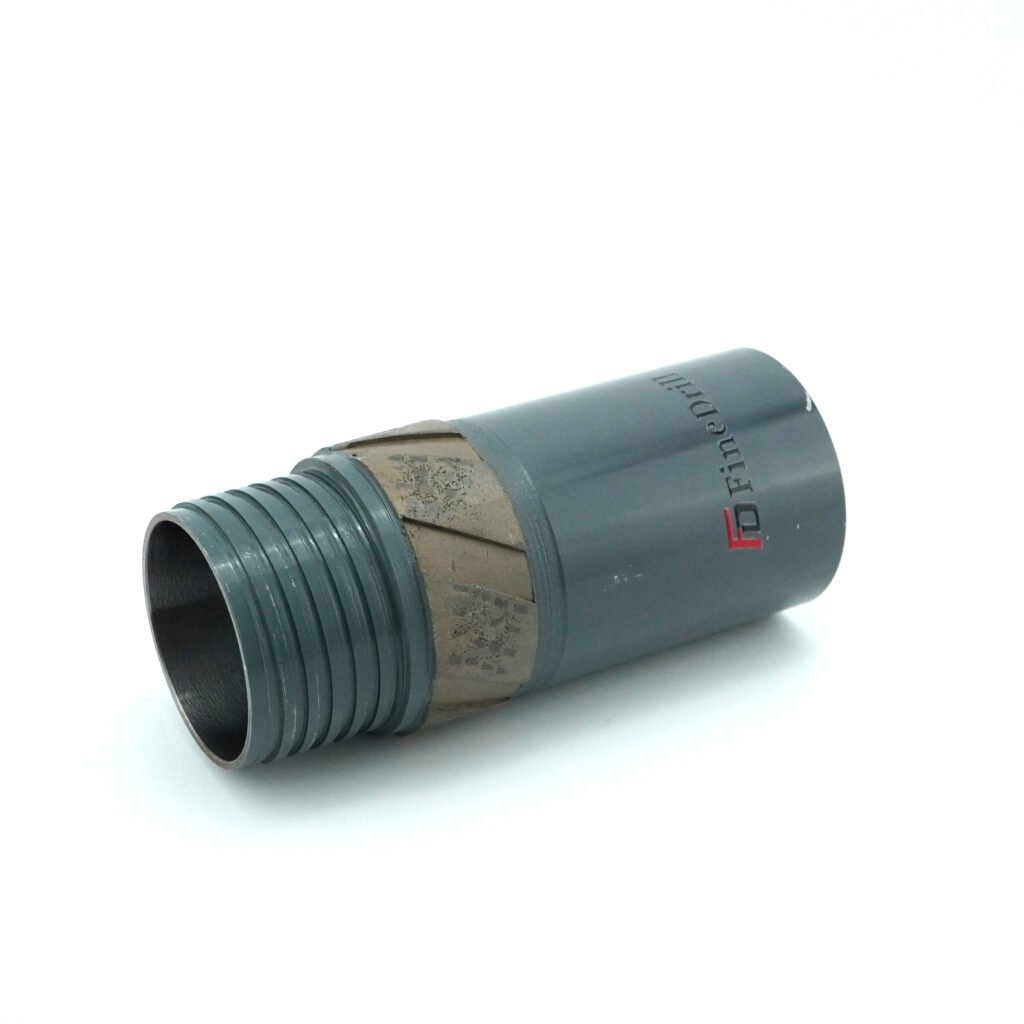
Upon reaching the desired activation point, a signal—typically an increase in drilling fluid pressure or a simple mechanical set-down weight—commands the tool to go to work. Hydraulic pressure or mechanical force pushes the reamer’s hardened, durable cutting arms (often fitted with PDC—Polycrystalline Diamond Compact—cutters) radially outward against the wall of the pilot hole.
As the entire drill string rotates, these extended arms systematically scrape and shear the rock formation, enlarging the hole to a precise, predetermined diameter. The drilling fluid, or “mud,” simultaneously circulates, carrying the rock cuttings back to the surface and cooling the cutting structure.
Why Bother? The Critical Reasons for Reaming
This extra step is not merely procedural; it is fundamental to a well’s integrity and cost-effectiveness.
- Ensuring Casing Success: The primary reason is to create ample space for the steel pipe, or “casing,” to be run to depth. The casing stabilizes the well and isolates different geological zones. A perfectly sized hole prevents the casing from getting stuck, a multi-million dollar mishap.
- Solving Problems Before They Start: Reamers can correct wellbore instabilities, smooth out jagged sections, and bypass obstructions. They are the ultimate problem-solvers in the downhole environment.
- Designing for the Future: A larger wellbore allows for the installation of larger casing, which in turn can accommodate superior production equipment, maximizing the well’s long-term potential.
“The reamer is the guarantee behind the blueprint,” Sicher explains from his office. “It transforms a rough, potentially problematic hole into a clean, predictable, and engineered structure. It’s the difference between a rocky path and a paved highway deep beneath our feet.”
As global demand for resources and geothermal energy grows, the role of these precision tools becomes ever more crucial, quietly ensuring that our reach into the Earth is both efficient and secure.
About Sicher:
Sicher is an industry analyst and technical commentator with a focus on downhole drilling technology and innovation, providing insights from the heart of China’s manufacturing and engineering hub.
Hi, how have you been lately?
Good day!